What is a container swap? Two legs, one truck visit

- October 17, 2026
- 158
- News
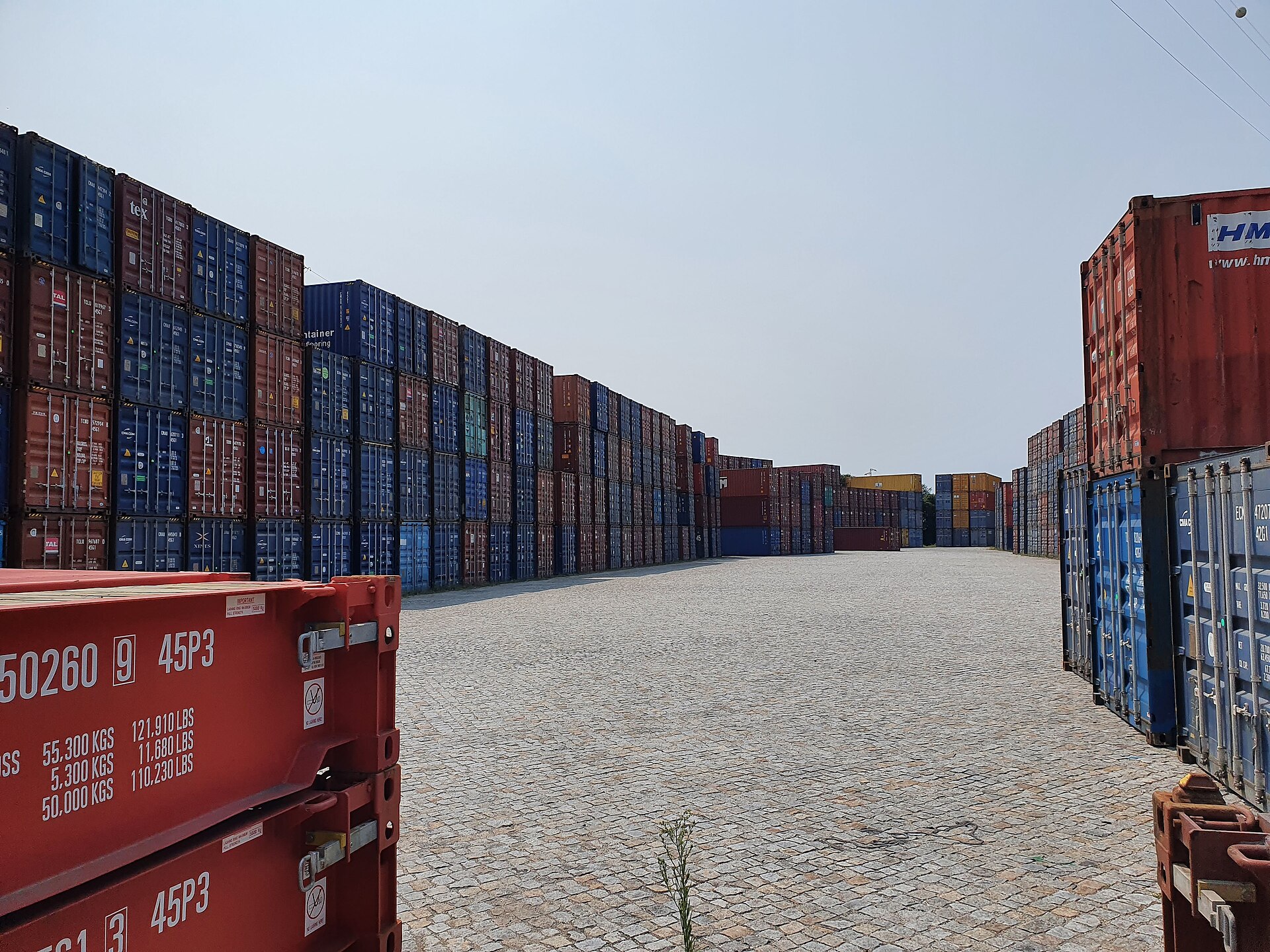
A container swap turns two half-empty truck trips into one full one. One trucking company drops a box at the terminal, and instead of driving away empty, its truck leaves with a container another company needed moved. Here is how it works, and why it matters at a busy gate.
Key points
- A swap pairs two moves that would otherwise each cost a truck visit: one container in, one container out.
- At a major Montréal terminal, more than 8 visits in 10 move a single container.
- Even a modest share of swapped moves removes thousands of truck visits a year from a single terminal.
- The two companies keep their own customers, bookings and paperwork. Only the truck trip is shared.
Two legs, one truck visit
Every container that goes through a terminal gate is one leg of a trip. An export container is delivered to the terminal; an import container is picked up from it. In the simplest case, a truck does one of the two: it arrives full and leaves empty, or arrives empty and leaves full.
A swap joins those legs. The truck that drops company A’s export container picks up company B’s import container on the same visit. One gate transaction, two containers moved, and one empty trip that never happens.
The industry already does this inside a single company: the dual transaction, where a carrier plans a drop and a pickup together. A swap does it between two companies, when one of them has the drop and the other has the pickup.
What we measured at Termont
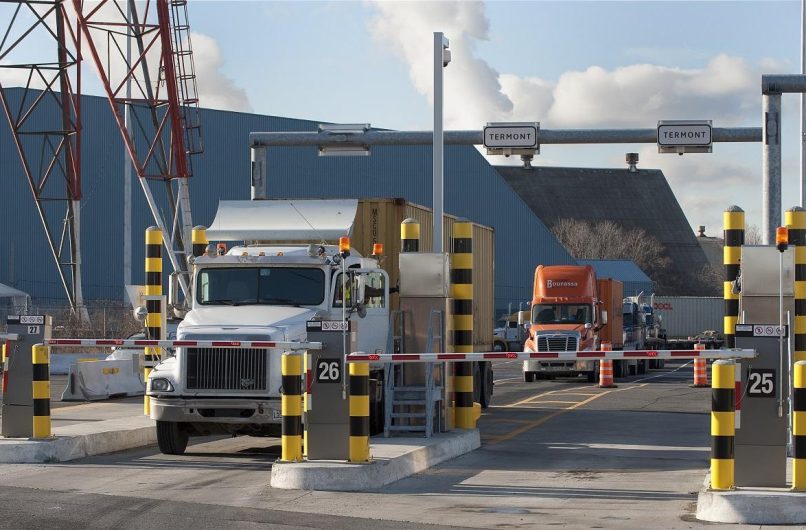
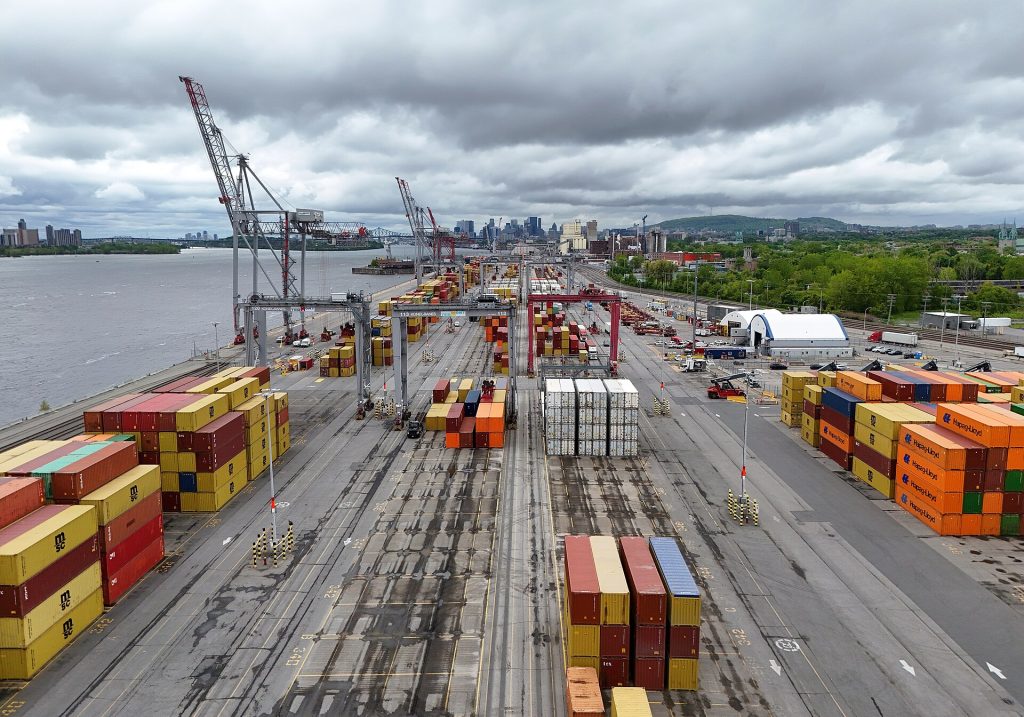
Trucking companies book their gate visits at Termont, in Montréal, through the DMS truck appointment system. DMS appointment systems handle more than 200,000 truck appointments a year.
In more than 8 visits in 10, the truck moves a single container. Each of those trucks made one direction of its trip without a box: room for a second container that nobody filled.
How much could swaps save?
We replayed a year of real appointments and asked a simple question: if part of the moves that could be paired were actually swapped, how many gate visits would disappear? The answer runs into thousands of truck visits a year at a single terminal.
That is a simulation, not a promise, and we label it as such everywhere on this site. It does say something useful: even modest adoption removes thousands of trips that cost fuel, driver hours and a place in the gate queue.
What a swap needs to work
- Two moves at the same place and time. A drop and a pickup at the same terminal, in compatible time slots.
- A compatible container. Size, type and condition must suit the second move. A reefer is not a dry box.
- Equipment that fits. The chassis or trailer the truck brings must carry the container it leaves with.
- Agreement on both sides. Each company keeps its own customer and booking. They agree only on who moves which leg, and when.
Swaps and street turns
You may know the street turn: an empty import container is reused for an export load instead of going back to the depot. A street turn saves the trip to the depot; a swap saves the empty half of a gate visit. They solve the same problem, empty miles, in two different places, and a well-planned day can use both.
Where SwapContainer fits
SwapContainer lists the terminals and container depots where trucking companies work, starting with Montréal and Penn Terminals in Philadelphia, where truckers already book with the DMS appointment system. Companies share the moves they are ready to swap, find a match near their terminal, and agree on the legs before the truck rolls.
Tomorrow we look at the other side of the problem: why a truck leaves the gate empty, and what that trip costs.
Source: DMS truck appointment systems, aggregated figures. Savings are a simulation on real appointments.